
Liner Notes
- This episode airs on Saturday, October 9th, 2021 at 2:00 PM (PDT), streaming on KUTZ FM, Sacramento Free Form radio, and broadcasting at 103.1 FM in Sacramento, California. To replay this episode, scroll to the bottom of this page, or visit the Local Gold YouTube channel.
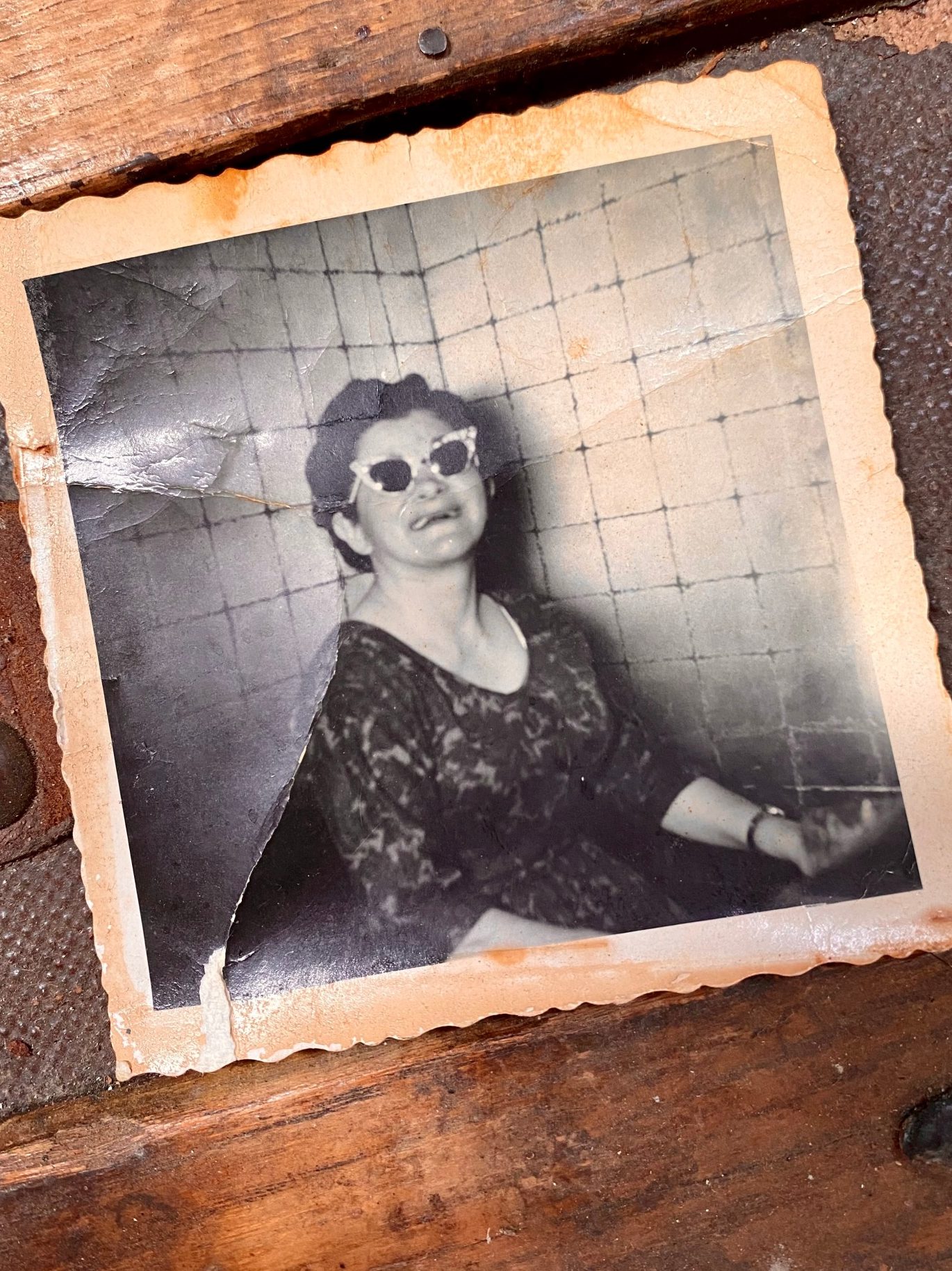
“I’m just terrible about torchy songs. I love the sad songs…of course, I never feel sad when I’m singing them.”
WIlda Baughn
The sixth of seven children, Wilda Baughn (nee Enos) was born in Half Moon Bay, California in 1917. Born blind, one of Wilda’s earliest musical memories was listening to her sister singing Sophie Tucker’s You Gotta See Mama Every Night sometime around 1923. She started learning to play the piano when she attended the Berkeley School for the Blind. Naturally, her first music teachers at the school steeped her in the classics, but Wilda soon developed a particular love for the jazz and ragtime music of the 1920s and became quite skilled in its performance, rapidly learning many songs by ear. She learned Ruth Etting’s version of Glad Rag Doll by listening to the 78 rpm record when she was just nine years old. Other musical influences leaving their mark on Wilda included Mildred Bailey, Teddi King, Annette Hanshaw, and pianist Virginia Spencer.
Later, Wilda graduated from Oakland’s University High School, and went on to earn a Bachelor of Arts in Music from San Jose State University in 1942. After college, Wilda played in several combos and dance bands, even serving a brief stint on keys in a country and western group. She became something of a resident performer at Garden City Hof Brau in San Jose, California, and later toured with a trio—-delighting folks in Colorado, Utah, Montana, and various spots throughout the Pacific Northwest.

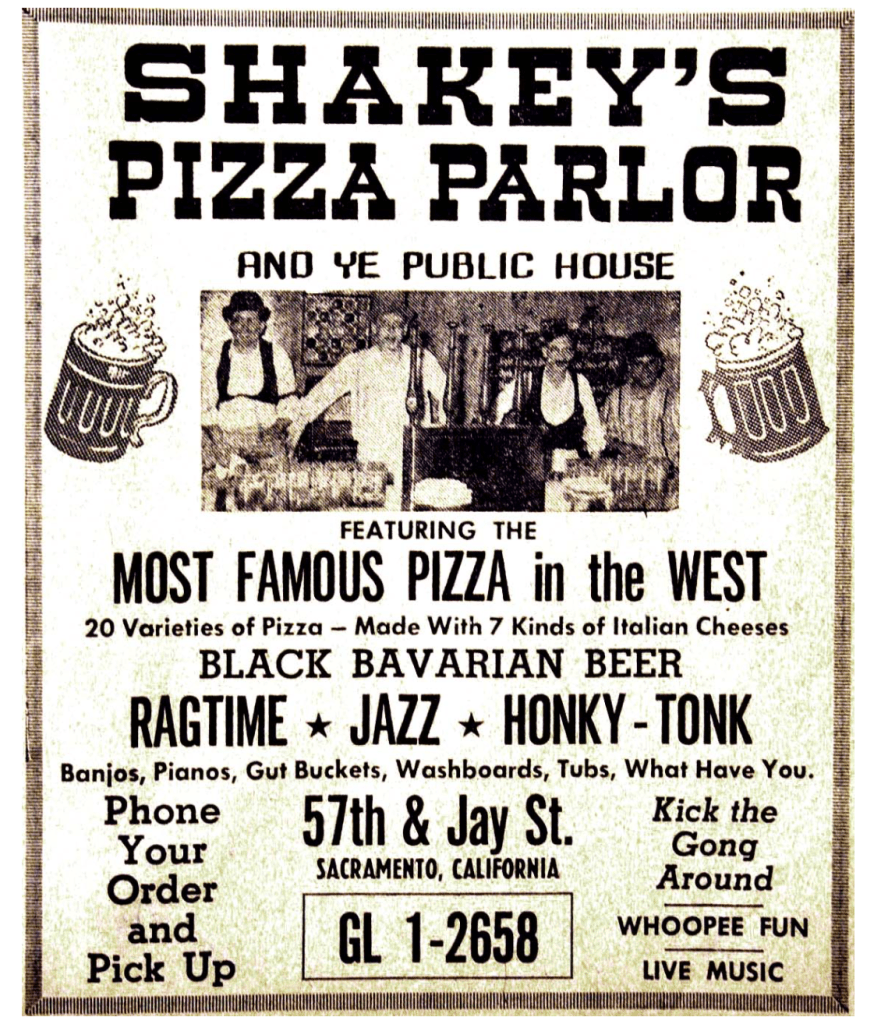
When Wilda relocated to Sacramento in 1967, it didn’t take her long to demonstrate her musical bonafides. Just a year after her arrival, she had already established herself as a wildly popular fixture at Sacramento’s legendary traditional jazz mecca: Sherwood “Shakey” Johnson’s original Shakey’s Pizza Parlor at 57th and J Street, where she stupefied patrons with her ability to play practically any request they could conjure up—no matter how old or obscure the tune might be.
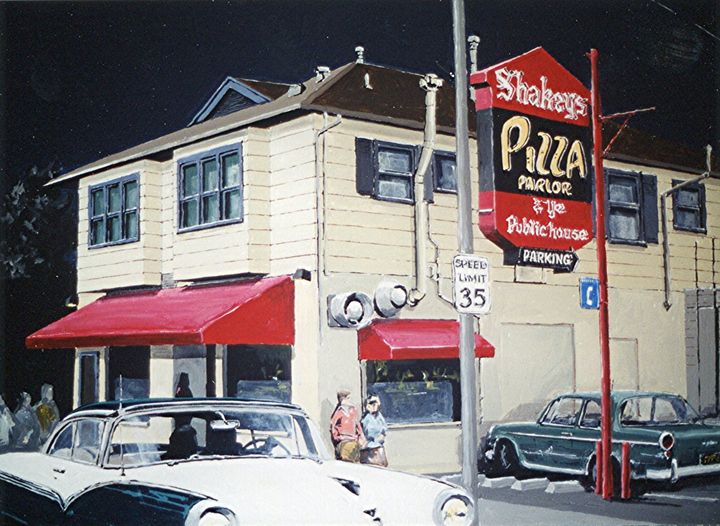
Sacramento State students who flocked to Shakey’s hungry for pepperoni and pilsner soon found themselves falling in love with Wilda’s vibrant piano playing, golden voice, off-kilter jokes, and inextinguishable energy—it was a run that lasted for more than seven years. She also became a regular performer at the The Doll House, Straw Hat, and Slick & Red’s out in Roseville, California.
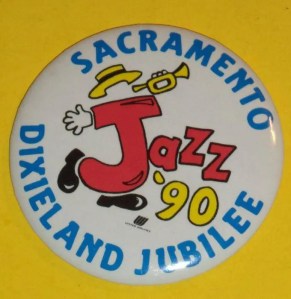
Wilda also delighted audiences playing a wide variety of local events and intermissions. Trust us, Local Gold has seen stacks of gushing thank you letters from local organizations as varied as The Radiological Associates, The Wong Center, Sacramento Safety Center, Sac City College Enabling Center, the Women’s Forum, St. Mary’s Church, along with scads more. With her band Wilda’s Easy Winners (as well as groups like The Swanee Singers and Donny McDonald’s Act of Providence) she performed at least nine times at the Old Sacramento Dixieland Jazz Jubilee—- an internationally popular festival that drew jazz fanatics from around the globe to Sacramento’s historic riverfront.
When Wilda wasn’t performing, she was actively engaged in supporting her community. She served a term as Secretary for the local chapter of the National Federation Of The Blind, and was a longstanding member of the American Federation of Musicians (Local 12 and Local 153). She also sat on the board of the Sacramento Traditional Jazz Society (the largest organization of its kind in the United States), and was a Gold Card member of the San Joaquin Dixieland Jazz Society and the New Orleans Hot Jazz Society.
Diagnosed with Parkinson’s Disease that slowly began to impact her ability to perform, Wilda’s friends and supporters knew they had to get her on record as soon as possible. So, under the guidance of producers Sheila Hembury and Judy Hendricks, Wilda’s first and only LP album, Wilda Entertains The Hired Help (SJS-16) was recorded February 8th, 1981 at the Sacramento Benevolent and Protective Order of Elks, Lodge #6, on Riverside Boulevard, during the regular monthly meeting of the Sacramento Traditional Jazz Society.
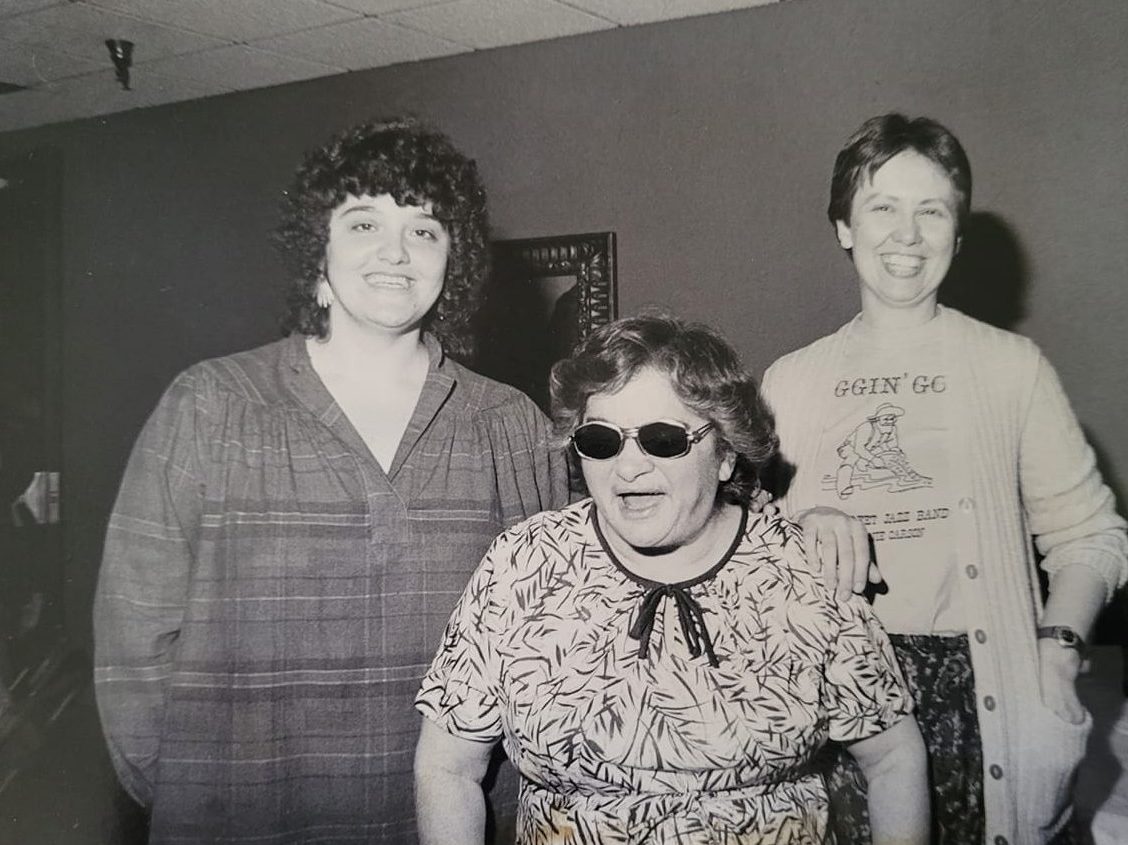
Were it not for this effort, the magic that is Wilda may have been lost forever to future generations—-relegated solely to the surviving memories of the waitresses, cooks, bartenders, and blue-collar folks who had the good fortune to hear her most at the pizza joints and bars she frequently played. They were WIlda’s people, and that exactly why Wilda chose the LPs title.

Perhaps the last thing you need to know about Wilda Baughn is that she is—-without a shadow of doubt—-the patron saint of Local Gold. More times than we can count during the making of this first season, we’ve stopped to thank Wilda for our good fortunes when things were going well, and beg for her benevolent inspiration whenever we had hurdles to overcome. “Praise Wilda” will forever echo throughout the halls of KHEX Productions.
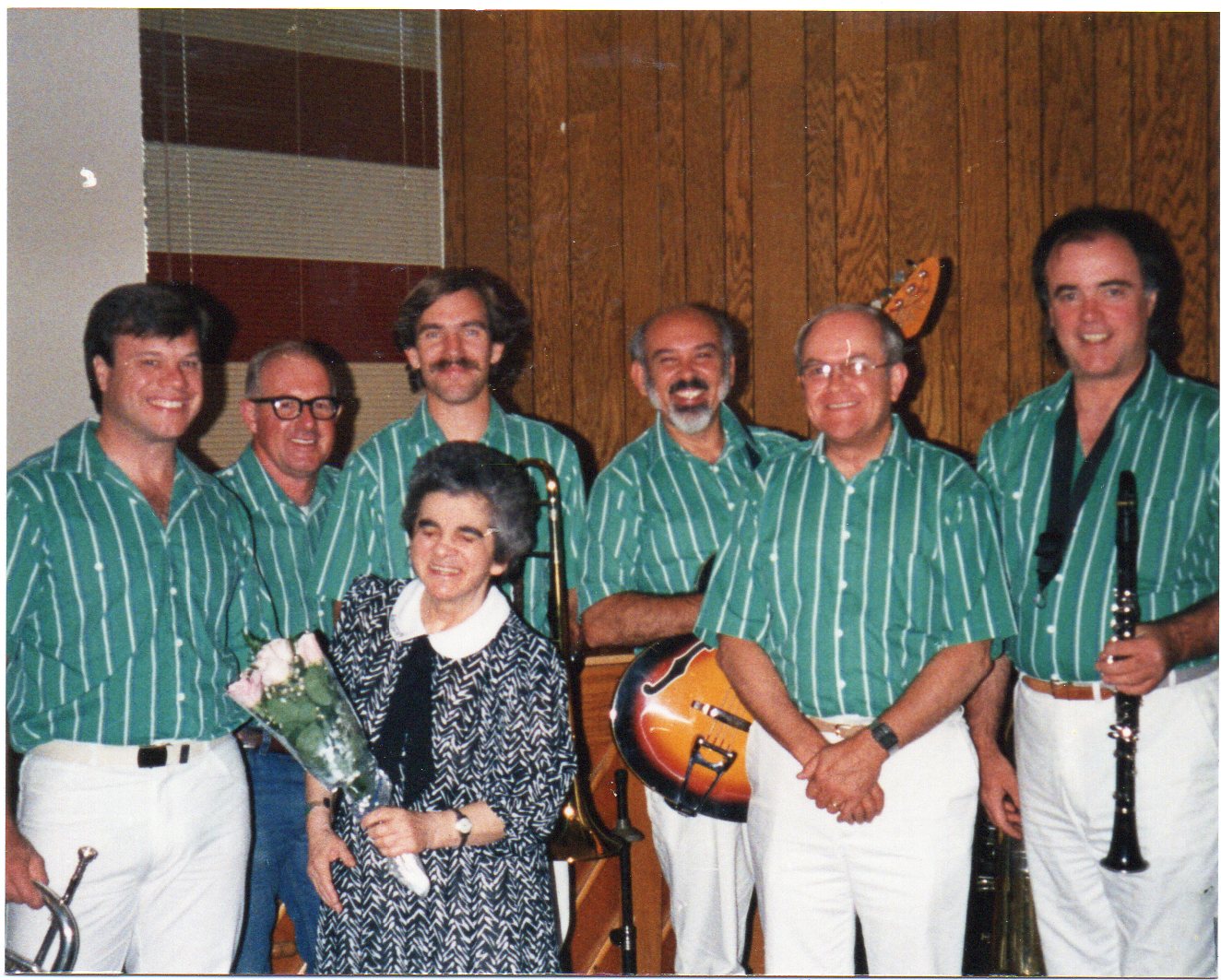
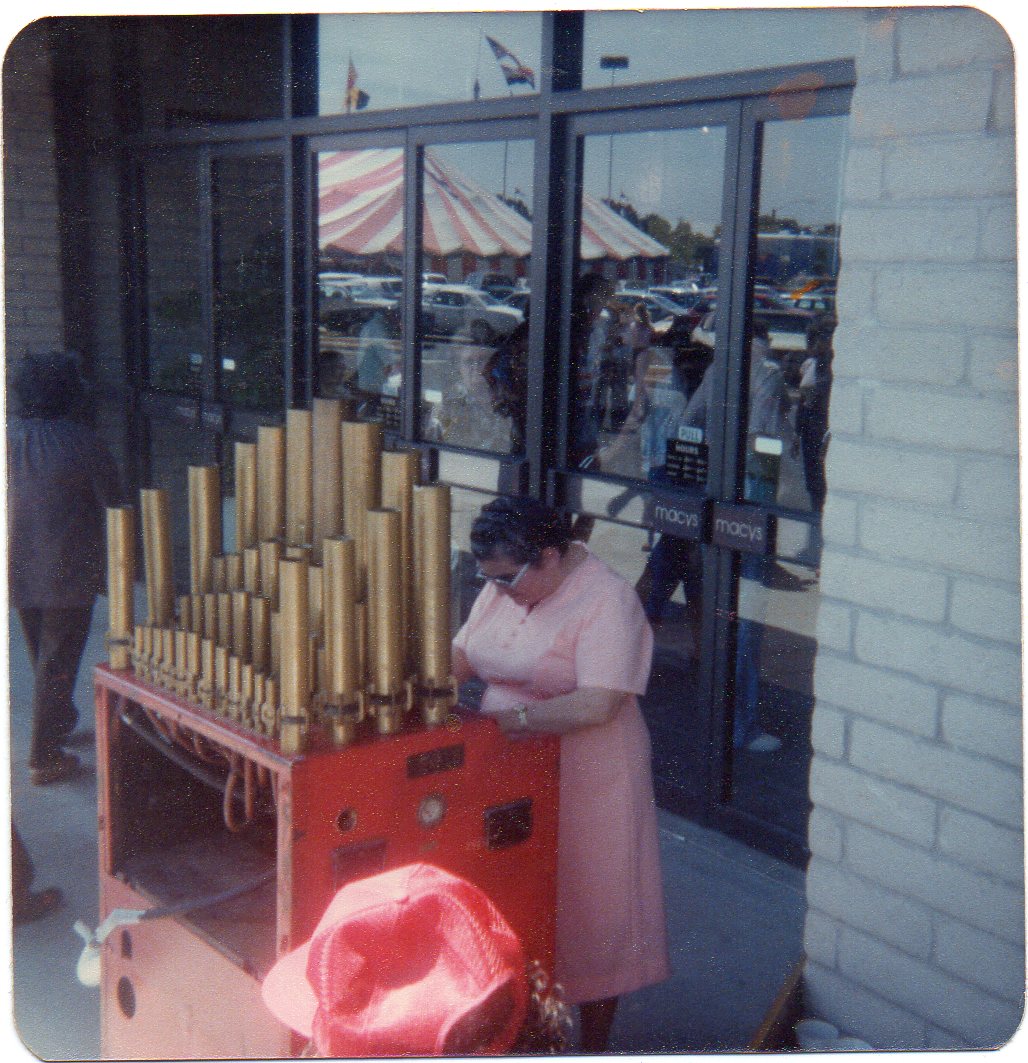
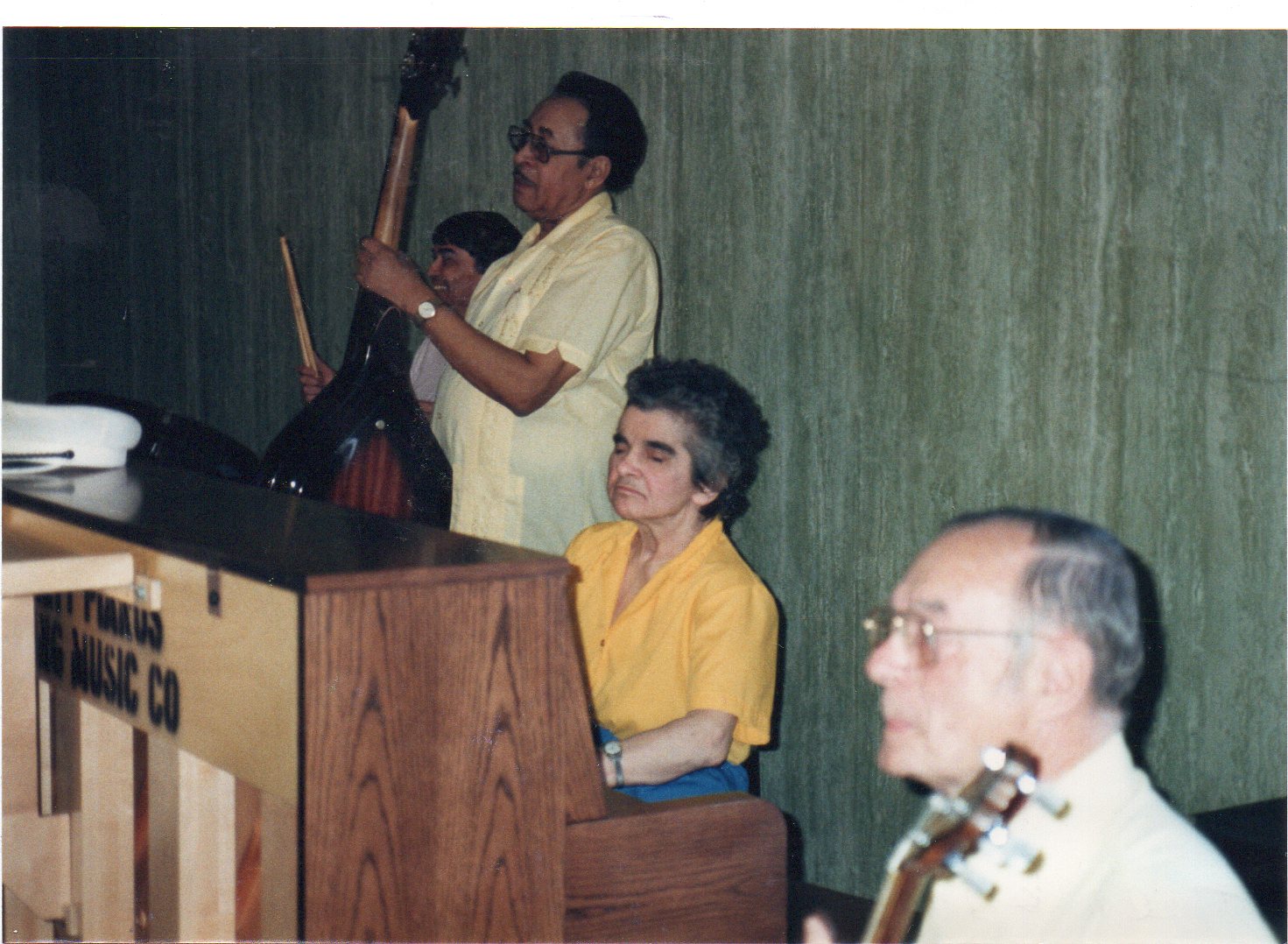
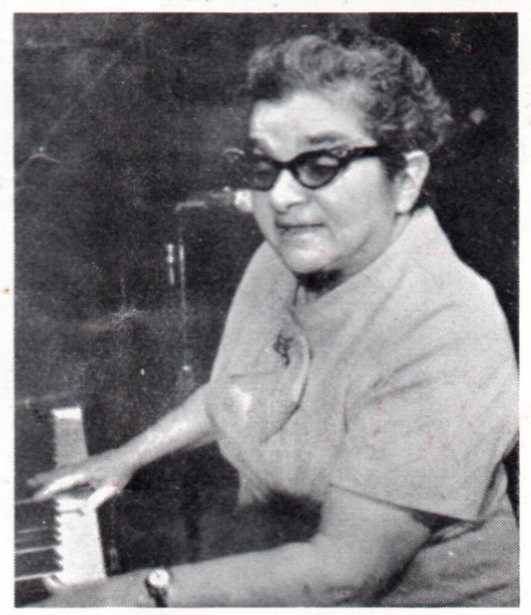
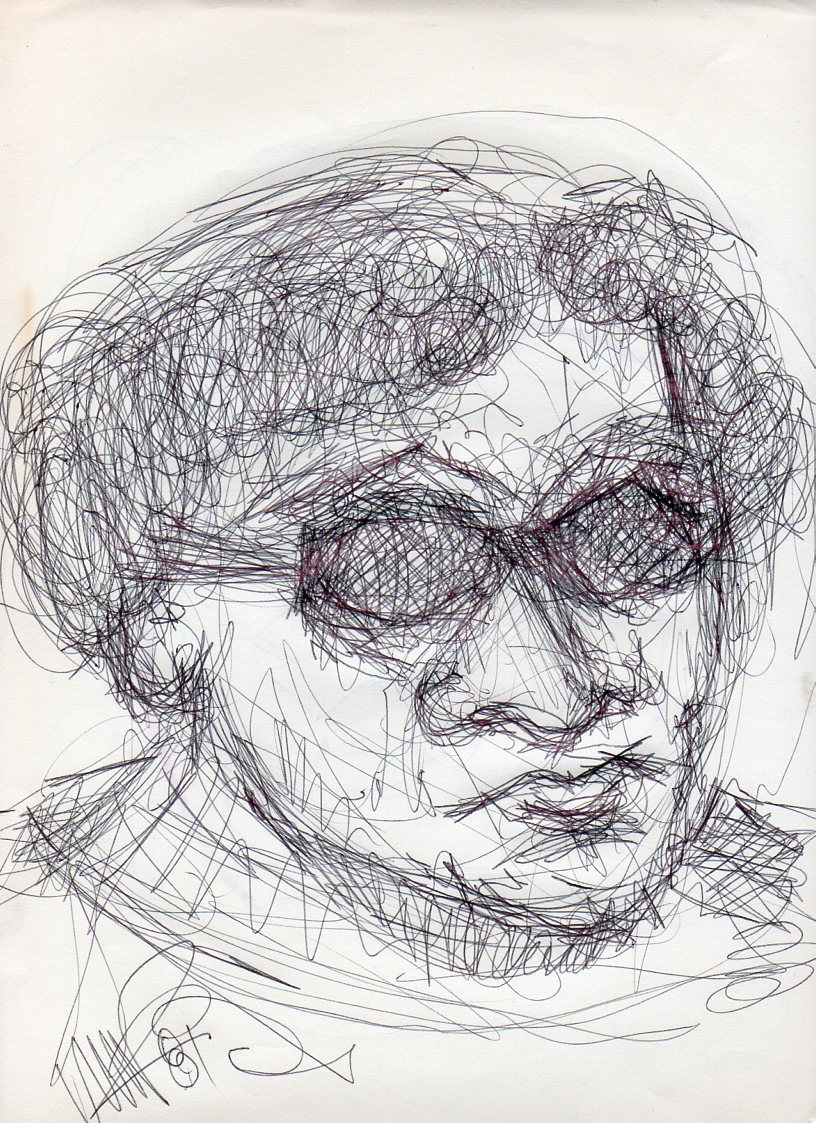
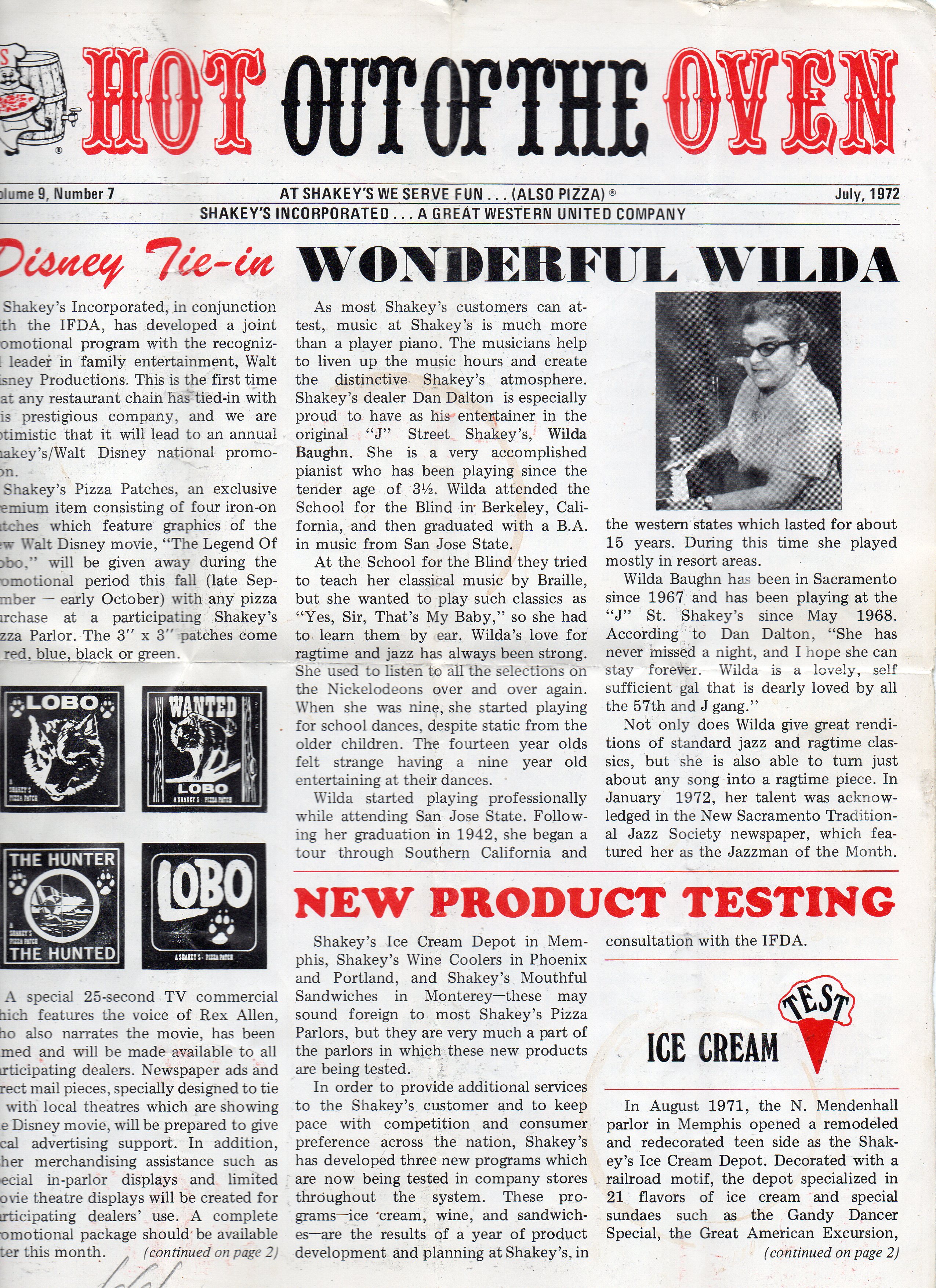
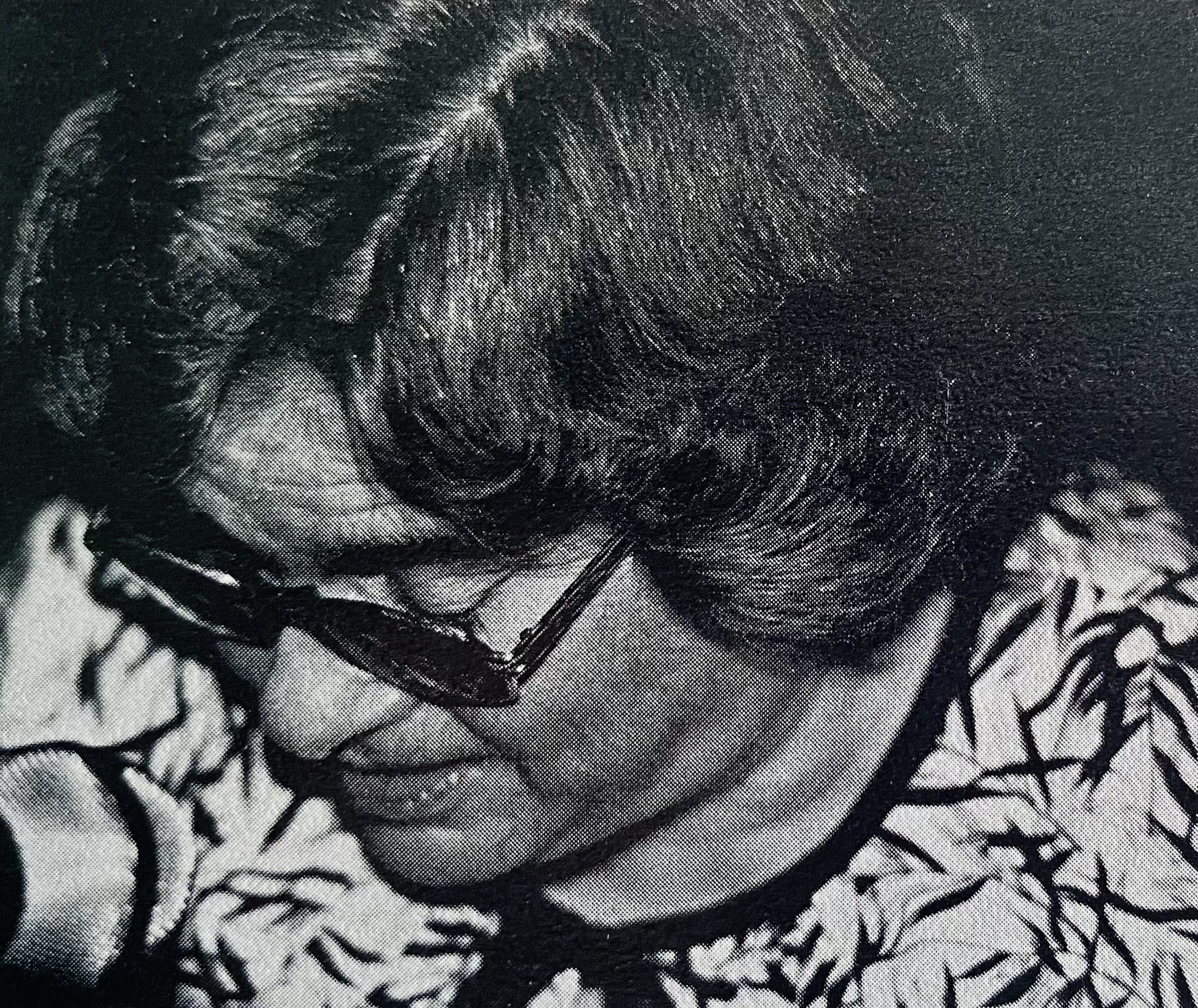
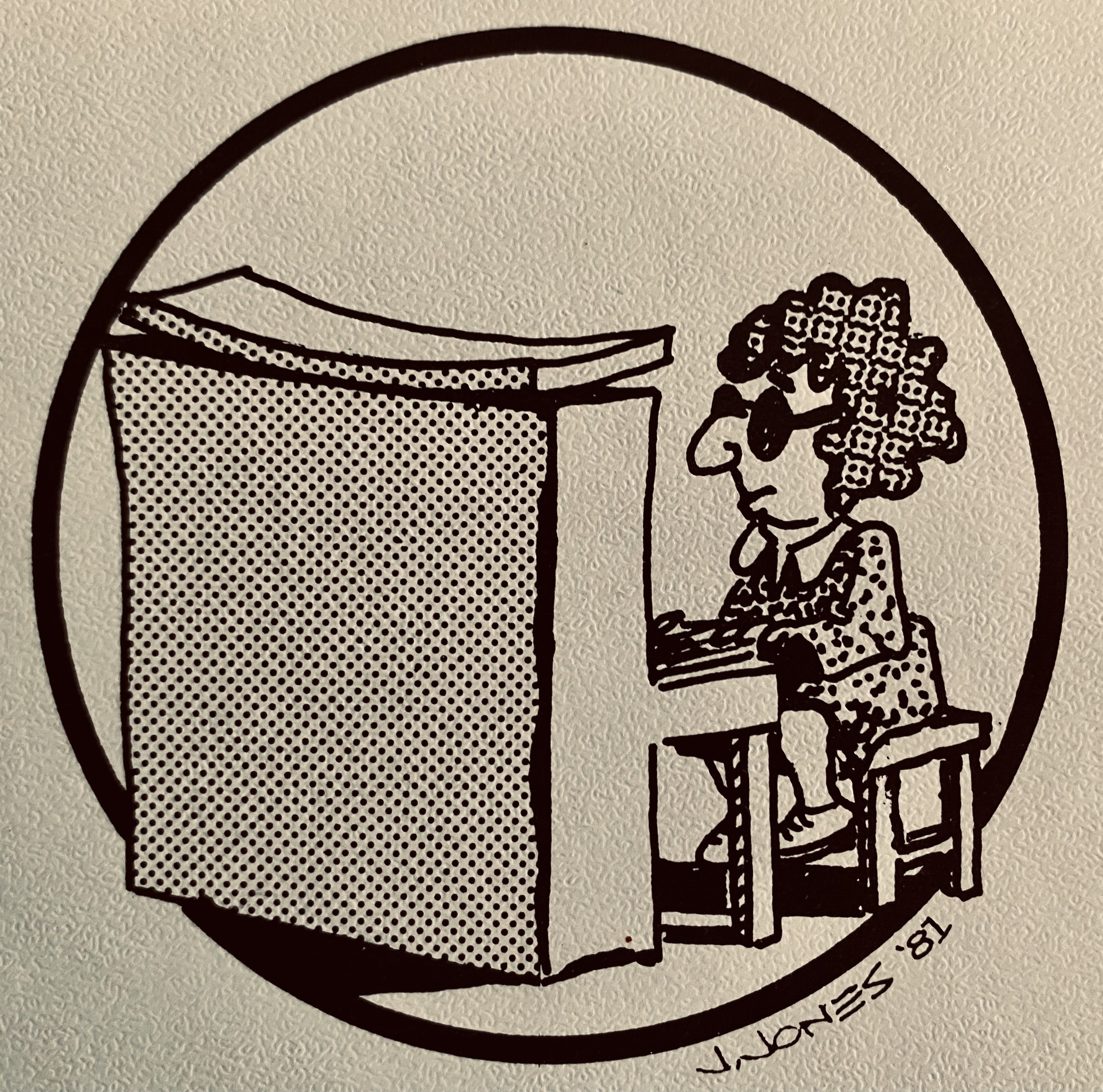
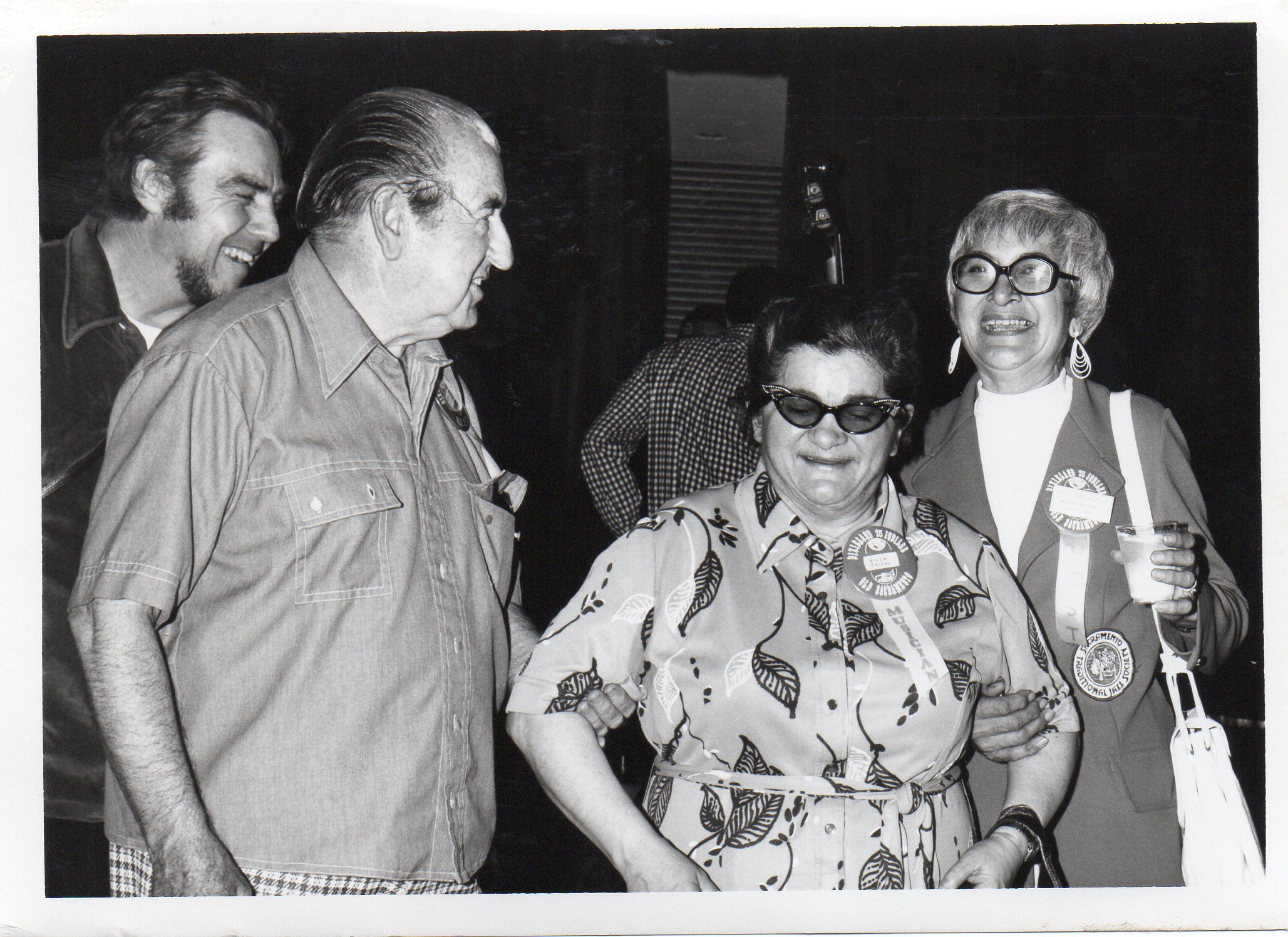
Local Gold wishes to extend a special, heartfelt thank you to Judy Hendricks—-the Co-Producer of Wilda Entertains The Hired Help and perhaps her closest and most enduring friend and caretaker. Judy was gracious enough to let us interview her for this Episode, and provided us with the photos, ephemera, and other materials that give us such a vibrant glimpse into the remarkable life of a truly unique Sacramento musical legend. We are forever grateful.
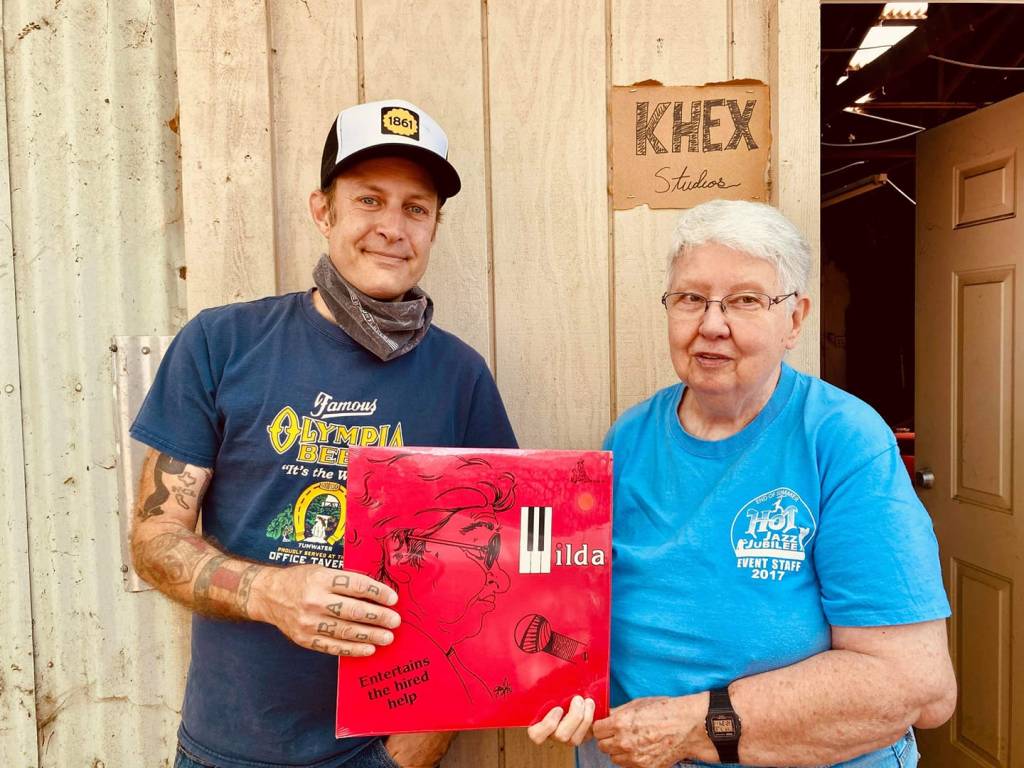
Music Featured In This Episode
(in order of appearance)
- A Porter’s Love Song To A Chamber Maid (SJS-16)
- Russian Rag (SJS-16)
- Glad Rag Doll (SJS-16)
- Sugar (SJS-16)
- What Can I Say, Dear, After I Say I’m Sorry (SJS-16)
- You Brought A New Kind Of Love To Me (SJS-16)
- The Man I Love (Home recording, c. 1949)
- When This Is Done (Home recording, c. 1949)
- Gulf Coast Blues (KXPR Radio transcription, c. 1981)
- San (KXPR Radio transcription, c. 1981)
- Backstreet (KXPR Radio transcription, c. 1981)
 Local Gold