
Liner Notes
- This episode aired on Saturday, October 16th, 2021 at 2:00 PM (PDT), streaming on KUTZ FM, Sacramento Free Form radio, and broadcasting at 103.1 FM in Sacramento, California. To replay this episode, scroll to the bottom of this page, or visit the Local Gold YouTube channel.
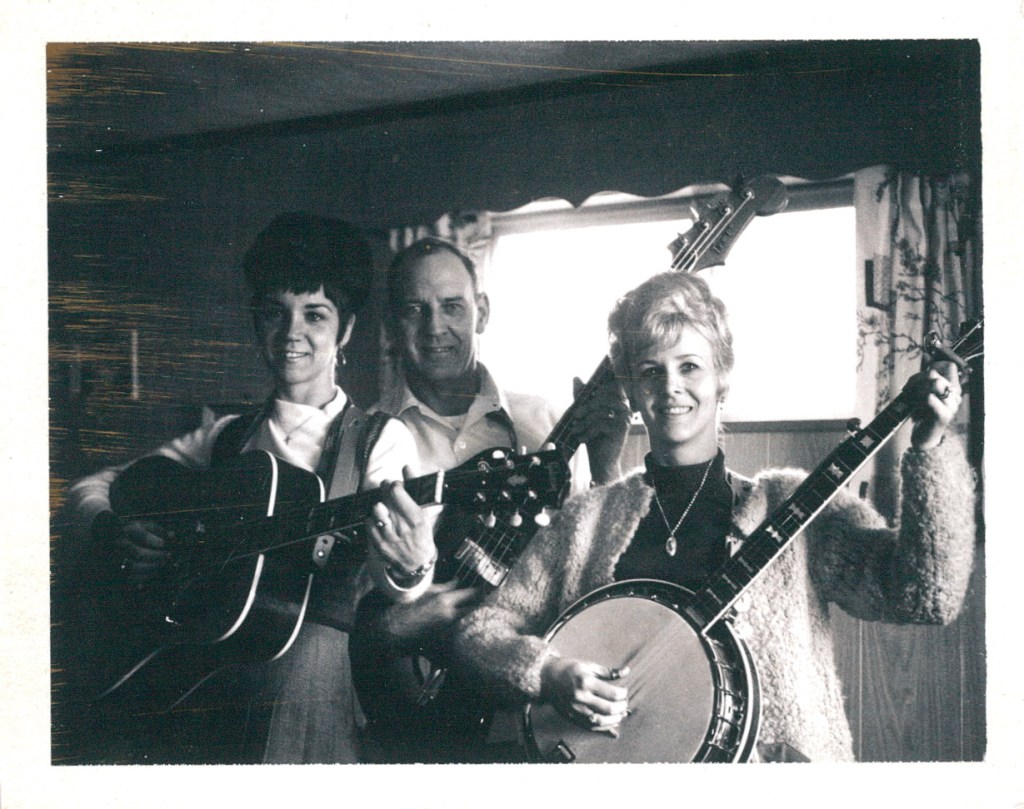
If Local Gold has a raison d’être, it’s probably the Perry Sisters. Truth be told, were it not for the entrancing voices of these sisters finding their way to our beloved Sacramento, KHEX Productions—and this whole Local Gold endeavor—might not even exist. When we first heard sisters Sally Morris and Mona Smith (nee Perry) after the chance discovery a local label Raven Records 45 rpm while bin-scrounging at a thrift store, we were absolutely floored by the immaculate vocal harmonies.
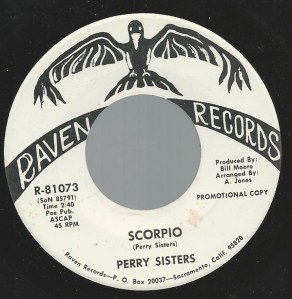
Mind you, these weren’t just any harmonies—these were what many folks call blood, or sibling, harmonies. We’re talking about the kind of vocals so perfectly matched, so interwoven, and almost inseparably tight that they can only be generated by family members who share the DNA that designed the physical architecture of their capacity to resonate sound. Such sibling harmony is a relatively rare and storied tradition, especially in country music, that encompasses legendary family acts like the Carter Family, the Blue Sky Boys, the Stanley Brothers, the Everly Brothers, and others. Long story short: when we heard that first 45 we knew we’d found something pretty damn special.
Born a year apart in the early 1940s, sisters Sally and Mona were reared in a happy, musical household just east of the Pemadumcook Chain of Lakes, in the rural timber country of Penobscot County, in north central Maine. At the turn of the century, the bustling little mill town of Millinocket was locally renown for their community band and the Millinocket Opera House—a regional attraction that provided regular entertainment to folks pretty much continuously from 1912 to 1956. So, if the Perry’s already had music in their genes, it was also probably in the water. Along with the nature, comes the nurture: their mother was a terrific singer, their father could play piano and virtually anything with strings; their Uncle played guitar—even their maternal grandfather had been a drummer.
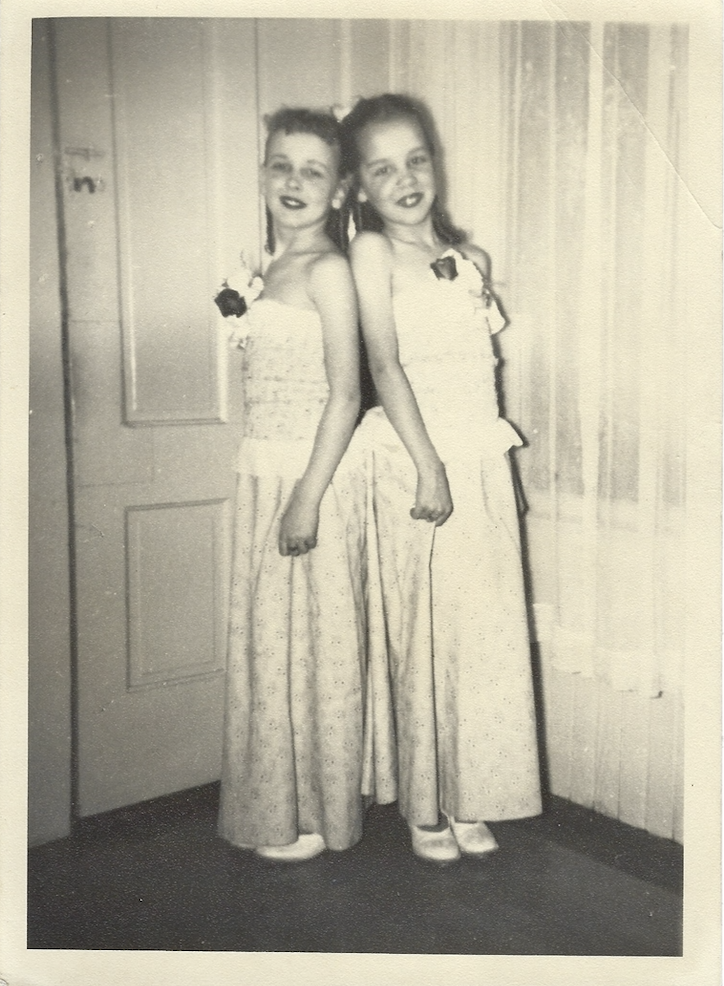
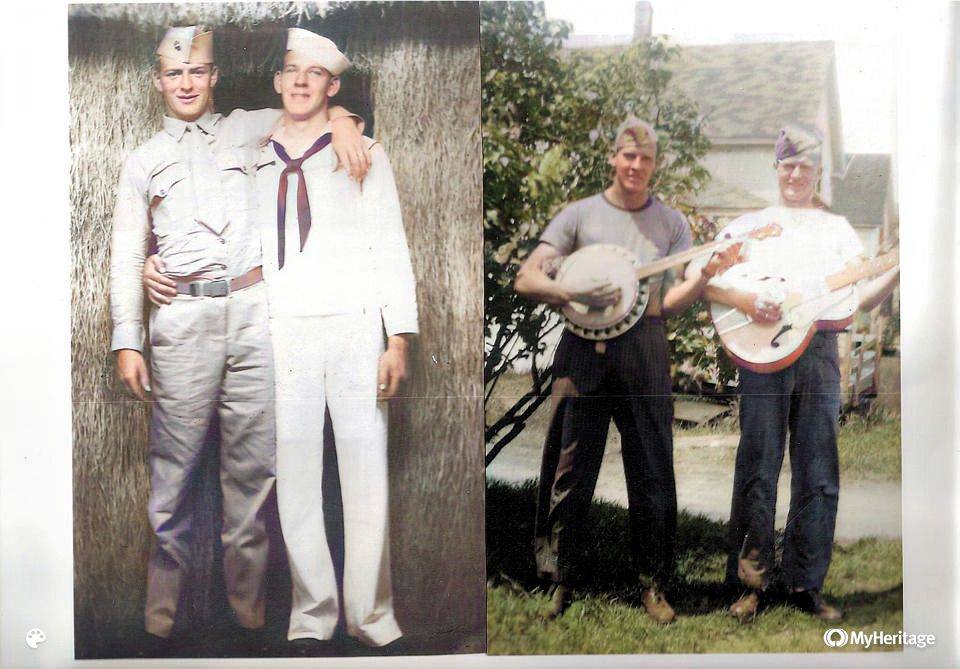
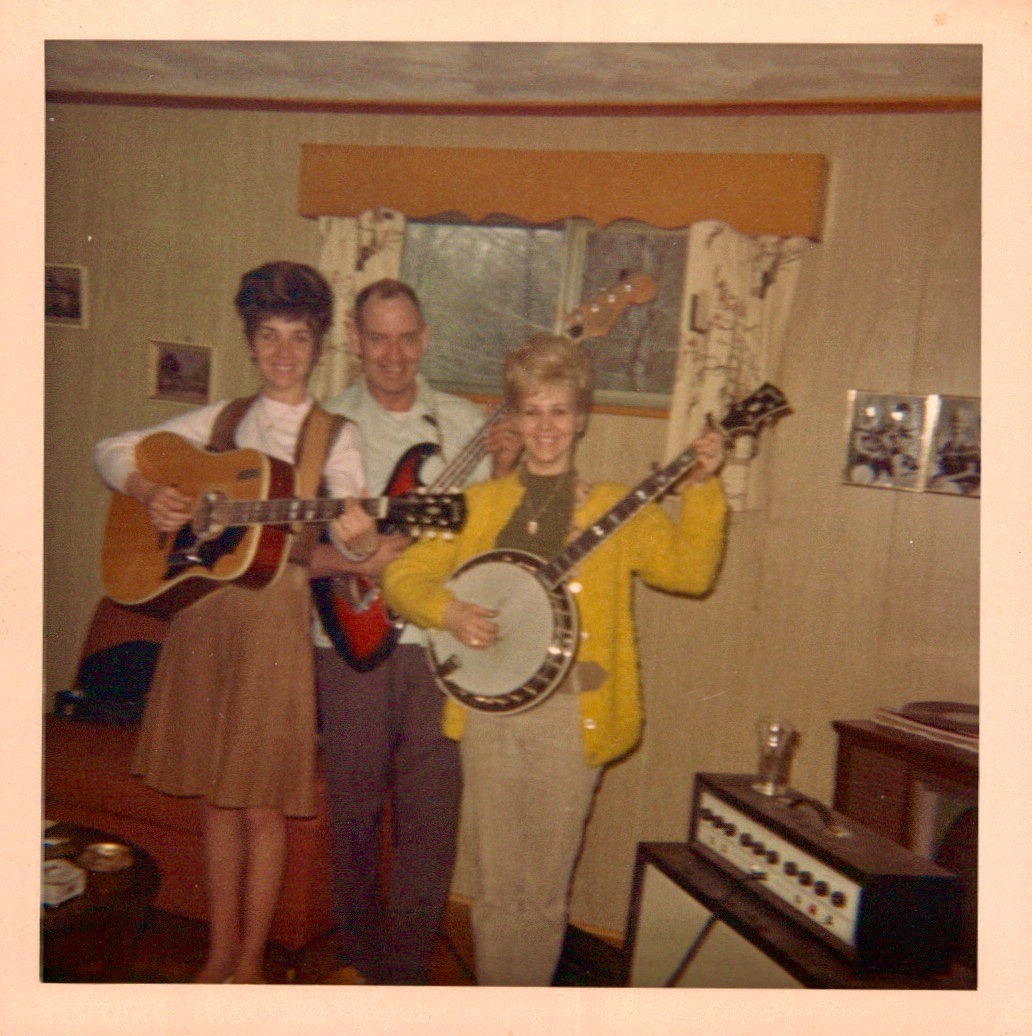
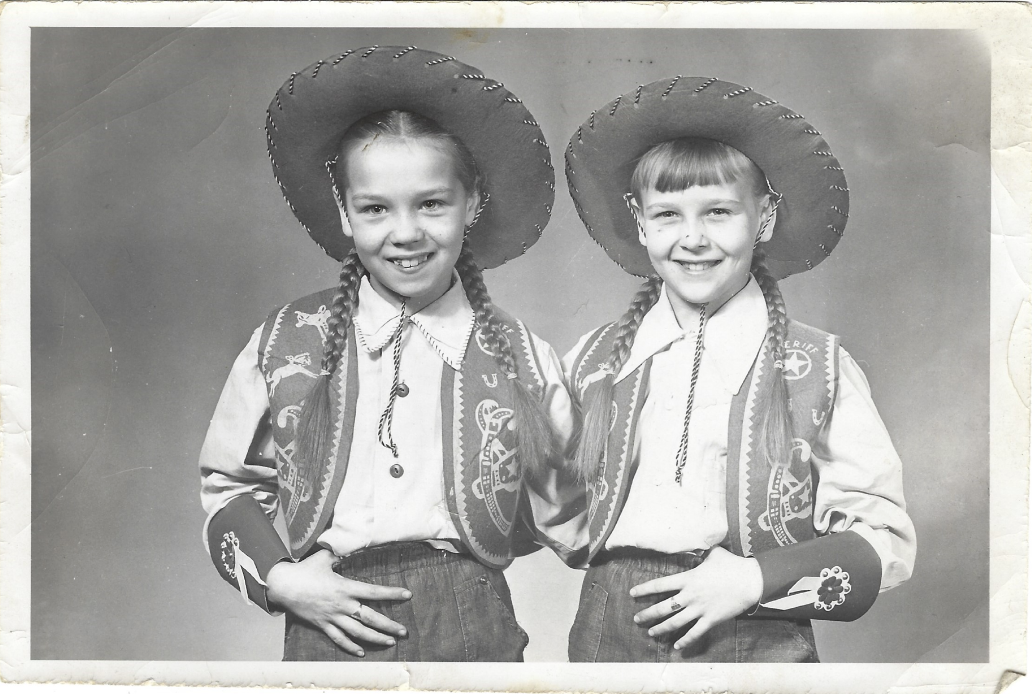
In these environs, it’s easy to imagine how Sally and Mona started singing together at the ages of six and seven, beginning already to harmonize with family and each other. Fluidly swapping the consonant and dissonant tones, trading lows and highs as if by instinct, the girls would astonish their parents from the rear sear of the family car as children. Before long Sally was learning piano from her Dad, and by the 8th grade Mona had picked up guitar. Sally decided to learn guitar too, and later fell in love with bluegrass music and the banjo in particular, teaching herself to play the three finger style popularized by Earl Scruggs. She would eventually move on to bass guitar, calling it her primary instrument while Mona stuck with guitar, becoming a study rhythm player.

Playing and singing with family was the norm, and soon friends and neighbors began to suggest that the girls were just too good to not have a proper audience. By the mid-1950s, the Perry Sisters were entering and winning bluegrass competitions as a guiitar (Mona) and banjo (Sally) duo, playing hootenannies, and getting hired to sing for other groups.
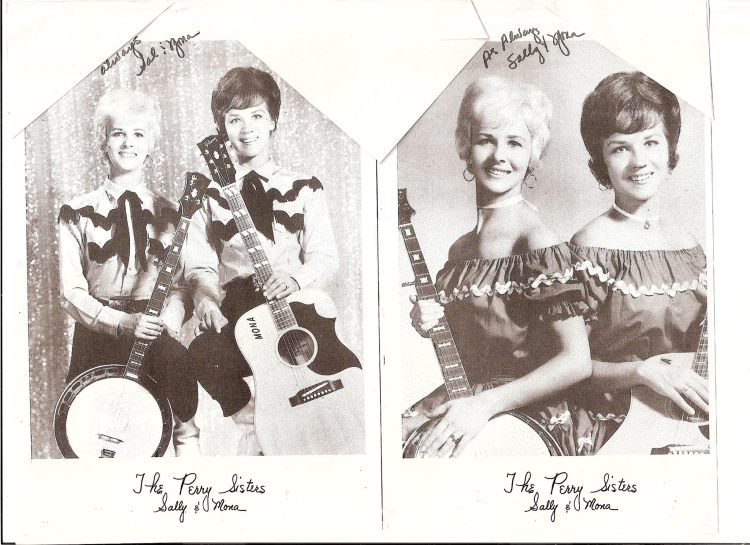
In this episode, you’ll have the pleasure of hearing some home recordings of Sally and Mona from this early period—-never released publicly until now. With a family friend, the girls demonstrate their two and three-part harmony chops on numbers like Goo Goo Dada and Blues Stay Away From Me, both songs famously recorded by The Carlisle Brothers, The Delmore Brothers, and The Browns—-all family acts known for their sibling harmonies. If nothing else, these home recordings demonstrate just how finely honed their skills had already become by the time they were in their late teens and early 20s.
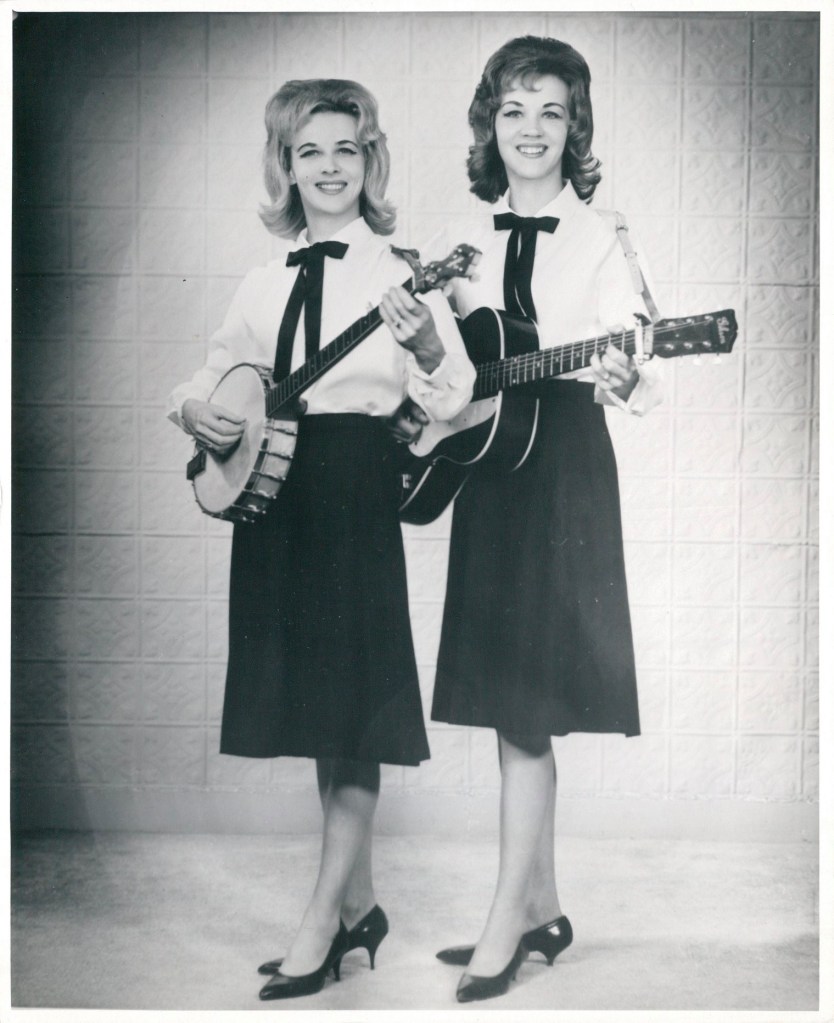
To the surprise of exactly no one, The Perry Sisters gained enough attention and support go professional, flirting with a few recording labels before landing a contract with Decca Records. They cut four sides in a New York City session, with two being released in 1959. Having established regional notoriety, but neither fame nor fortune from their work with Decca, both sisters glided into regular lives: settling down, getting married, and starting families. Even with busy young families of their own, the Sally and Mona still made time to perform together weekly in local clubs.
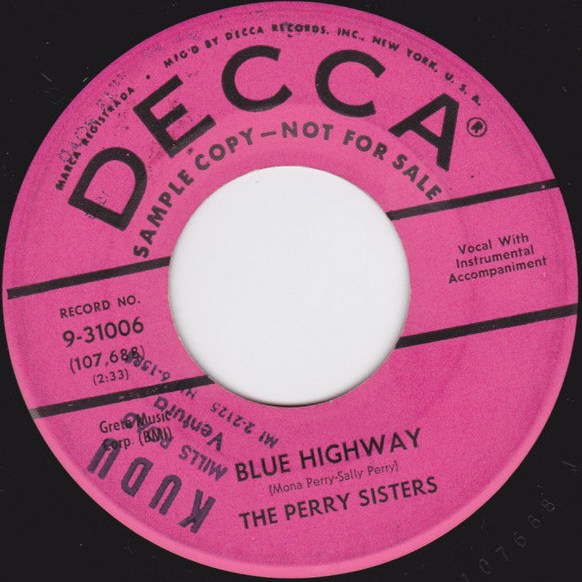
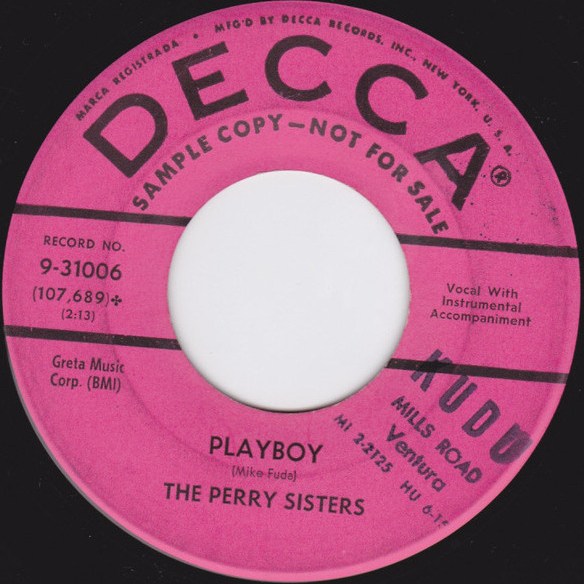


It was at one of these performances that Art Jones—a singer and Raven Records recording alum—-recognized their talents and pitched them to Raven proprietors Bill and Ruth Moore. Luckily for us, the Moores flew Sally and Mona out to Sacramento, hosting them at their own house and arranging a recording session at Sacramento’s own Brandt Studios. With local musicians backing, Sally and Mona cut several sides that would propel their musical careers well into the 1970s and beyond. You’ll hear these recordings in this episode, and learn about what comes next for the girls in our follow up Episode 4 – Perry Sisters (Part 2), airing Saturday, October 23rd, 2021.
Music Featured In This Episode
(in order of appearance)
- Scorpio (Raven Records, R-81073; 1972)
- Sentimental Journey (Home Recording; c. 1950s)
- Banjo Boy Chimes (Home Recording; c. 1950s)
- Goo Goo Dada (Home Recording; c. 1950s)
- Blues Stay Away From Me ((Home Recording; c. 1950s)
- Fabian (Decca Records, 9-30910-A; 1959)
- Willie Boy (Decca Records, 9-30910-B; 1959)
- Playboy (Decca Records, 9-31006; 1959)
- Just Whistle (Unreleased, Recorded for Decca Records; 1959)
- Housewife Plea (Raven Records, R-81073; 1972)
- Going Home (Raven Records, R-81077; 1972)
- Satisfied Mind (Raven Records, R-81077; 1972)
- Crazy World (Raven Records, CSS 11; 1971)
- One More Time (Raven Records CSS 11; 1971)
- Think It Over (Unreleased; Raven Records; 1970s)
 Local Gold